

Products Description
Core Features
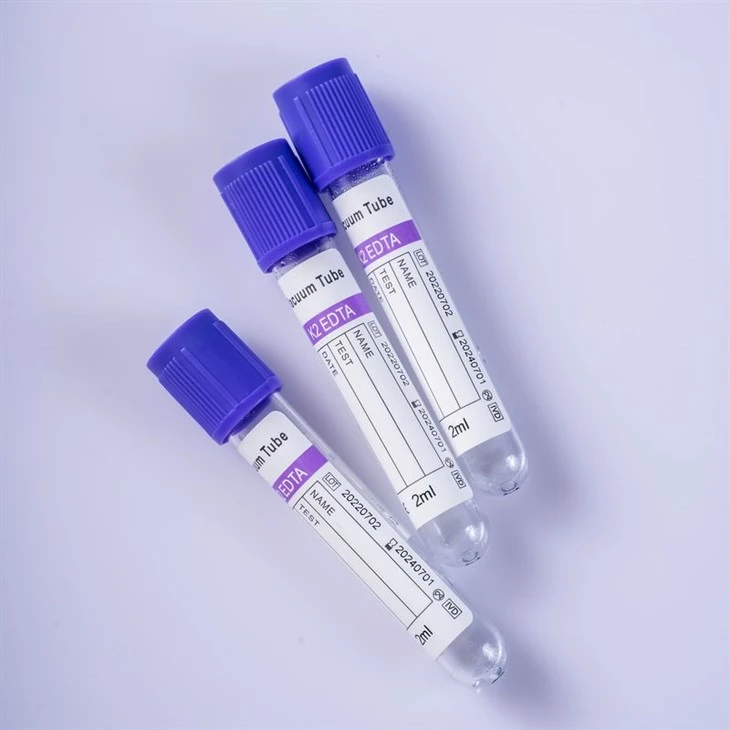
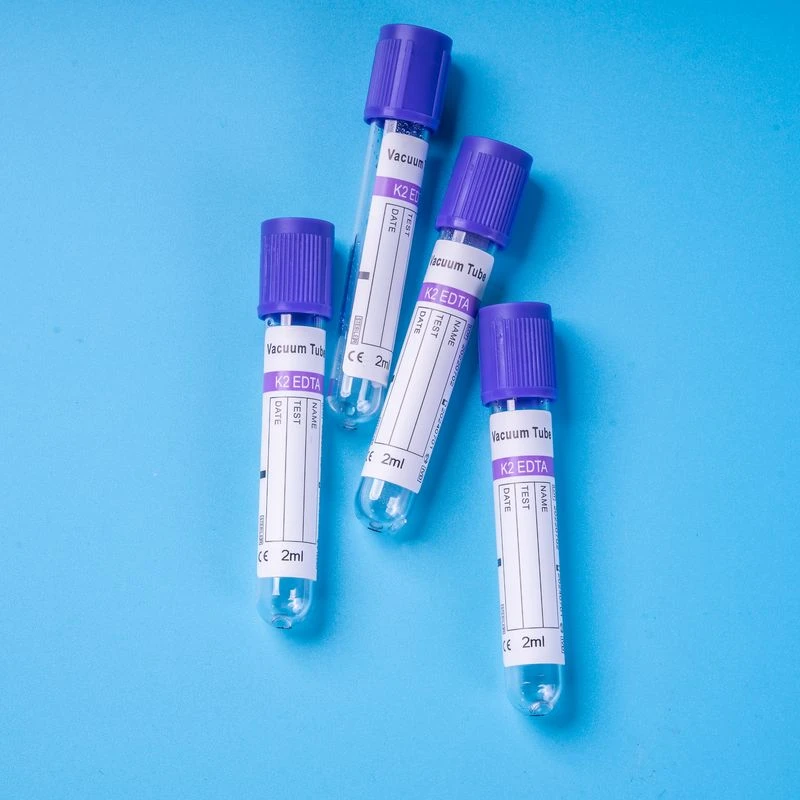
Chelating calcium ions for anticoagulation: EDTA can chelate calcium ions (Ca²⁺) in the blood, forming stable soluble complexes that cause calcium ions to lose coagulation activity, thereby blocking the coagulation cascade and preventing blood coagulation.
Minimal impact on blood cell morphology: This is the fundamental reason why EDTA tubes have become the "standard component" in routine blood tests. EDTA causes minimal interference with the morphology, size, and count of red blood cells, white blood cells, and platelets, accurately reflecting the original state of blood cells.
Inhibition of platelet aggregation: EDTA can suppress platelet aggregation, which is crucial for obtaining accurate platelet counts.
Main Application
Complete Blood Count (CBC): This is the core and most widely used EDTA tube, including red blood cell counts, white blood cell counts and classification, hemoglobin measurement, platelet counts, and more.
Blood typing and cross-matching: blood type testing and cross-matching test performed before transfusion.
Glycated hemoglobin (HbA1c): an indicator used by diabetic patients to assess long-term blood glucose control levels.


The anticoagulants used in EDTA tubes mainly include EDTA-K₂ (dipotassium salt) and EDTA-K₃ (tripotassium salt).
The most direct difference between the two lies in their physical form, which indirectly affects their dilution effect on specimens:
EDTA-K₂: Usually spray-dried on tube walls, appearing as a solid powder. Because it contains no water, it hardly dilutes blood samples.
EDTA-K₃: Initially commonly found in liquid form, now also available in spray-drying forms. If in liquid form, it will have a slight dilution effect on the specimen, which theoretically may cause the blood cell count to be slightly lower.
Routine Blood Count (CBC): K₂ is the safer "default option".
Currently, clinical and mainstream guidelines tend to favor the use of EDTA-K₂. The reason is that K₃ has a slightly greater effect on red blood cell morphology: K₃ causes slight shrinkage of red blood cells, resulting in a lower hematocrit (HCT) after centrifugation, an effect that is more pronounced at high concentrations.

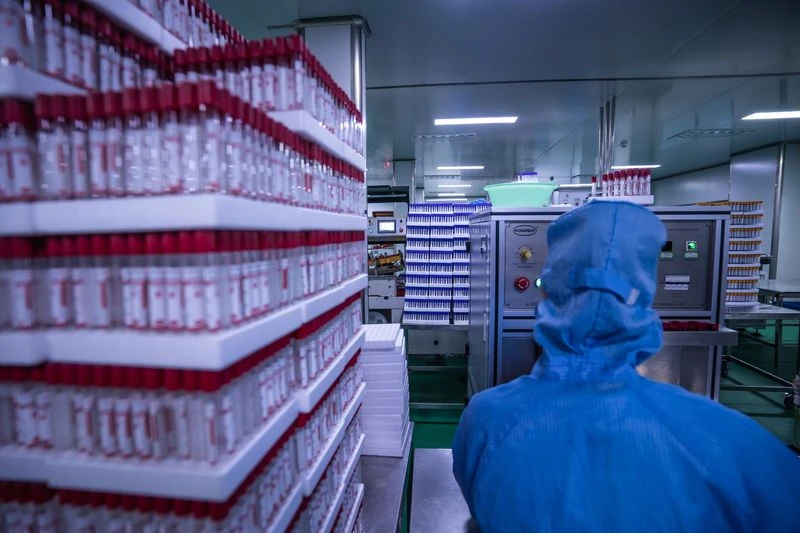
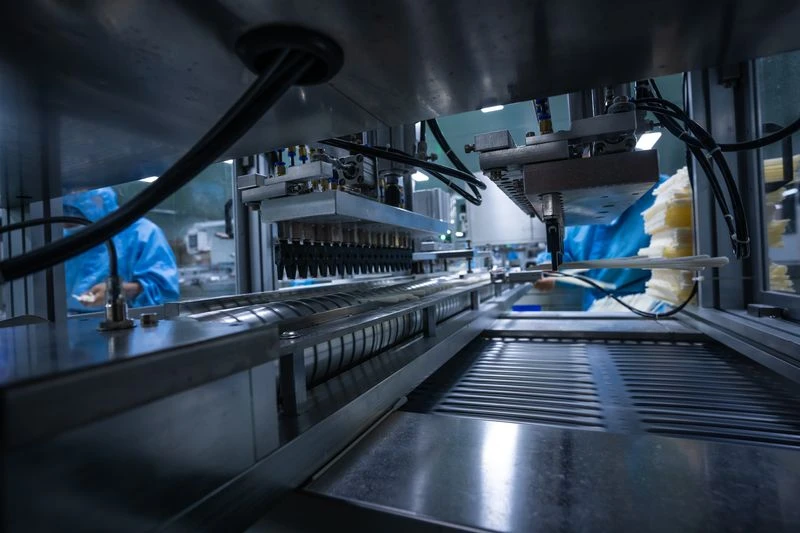
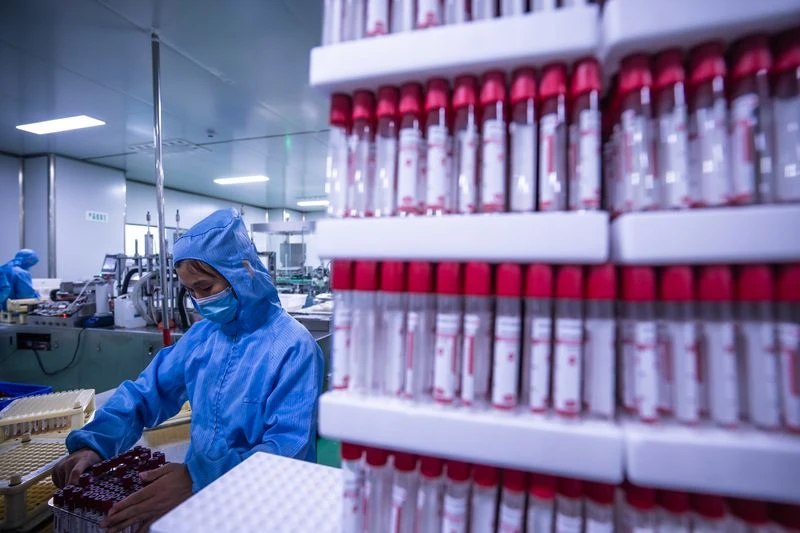
Our factory & quipment
Our address
Room 1802, West Tower, Gome Smart City, Guangzhou City, Guangdong Province
Phone Number
(86)-15083947956
Sales45@chengwumedical.com

Hot Tags: vacuum edta blood collection tube, China vacuum edta blood collection tube manufacturers, factory, 20G Scalp Vein Set, blood sampling needle, blood sampling needles, Butterfly Blood Collection Needle, safety venous blood collection needle, venous blood sampling needles