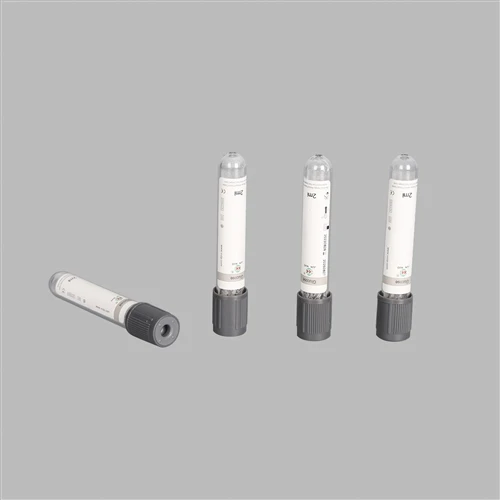
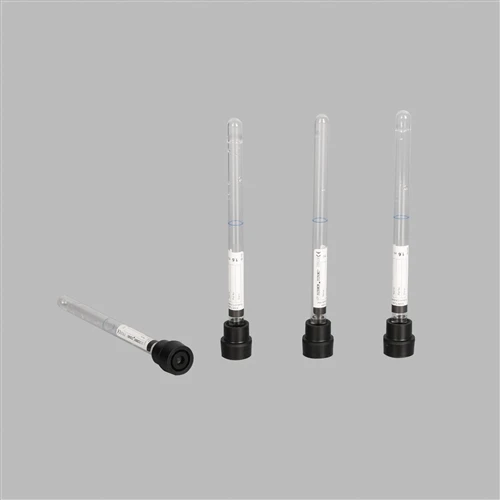
For anyone working in phlebotomy or laboratory diagnostics, a common question comes up: can a narrow, slender ESR tube work with different blood collection devices? Many assume a tube built for a single test only pairs with one brand or one type of collection tool. In practice, it is more flexible than that - provided you understand how compatibility actually works. This guide clears up the confusion without heavy jargon.
What Is a Slender ESR Tube?
ESR stands for erythrocyte sedimentation rate, a test that measures how fast red blood cells settle in a tube. It is used to detect and monitor inflammation associated with infection, autoimmune disease and other conditions. The slender ESR tube is a narrow, lightweight version of the standard ESR tube, suited to small veins, pediatric patients and mobile phlebotomy where bulky supplies are impractical.
Like standard ESR tubes, it uses a black cap and sodium citrate at a 4:1 blood-to-additive ratio, with the reagent concentration set at 3.2/3.8 % Sodium Citrate Buffer. Because it is narrower than a regular evacuated tube, this smaller size is exactly where most compatibility questions begin.
The Main Myth: Narrow Means One Device
The biggest misconception is that a narrow, specific-use tube only fits one device. That assumption usually comes from two mix-ups: not all slender ESR tubes are built to the same standard, and not every collection device accepts every tube. The main collection methods are evacuated systems, manual syringes, and micro finger-stick tools for small-volume draws.
Evacuated Blood Collection Systems
This is the method most hospitals and clinics use: the needle attaches to a plastic holder, and the tube's own vacuum pulls blood in automatically.
Standard slender ESR tubes share a common diameter and work with most universal threaded holders, including BD, Greiner and comparable brands, as long as the tube fits the holder opening. Compatibility comes from the standard tube size and threaded interface - not from a special connector on the tube.
One practical note: because slender ESR tubes have thinner walls and a smaller diameter, they can crack if squeezed too hard or handled roughly. The vacuum itself sits inside the tube, not in the holder, so always check the tube's own vacuum level and wall condition rather than blaming the holder.
Manual Syringes
Syringes give the phlebotomist more control over draw speed, which helps with tiny veins or anxious patients. The correct workflow is to draw blood into the syringe first, then transfer it into the ESR tube.
ESR tubes use a fixed sodium citrate-to-blood ratio (4:1), so the blood must be filled to the exact mark. A manual transfer that over- or under-fills the tube breaks this ratio and distorts the sedimentation result - that is a technique issue, not a defect in the tube. A smooth, even transfer and a clean inner surface prevent clotting or clogging.
Micro Collection Tools vs. ESR Tubes
A slender ESR tube is not the same as a micro blood collection tube, and they should not be swapped randomly. Micro collection tubes are designed for capillary, finger-stick or heel-stick volumes under 1 mL and often include a gel for separating blood cells for specific tests, such as the Micro Blood Collection Tube Gel available here: /blood-collection-tube/micro-blood-collection-tube-gel.html.
Slender ESR tubes, while narrow, are intended for venous draws and contain sodium citrate rather than separation gel. They can still be used alongside micro collection devices, but the collection method must be adjusted: collect the venous sample into the ESR tube directly, and do not treat it as a capillary micro tube.
Bottom Line
A slender ESR tube is more compatible than commonly assumed: it works with standard evacuated holders from major brands, transfers safely from syringes when the 4:1 ratio is respected, and must not be confused with capillary micro tubes. Choosing a well-made, standard-sized tube removes most compatibility problems.
For OEM or bulk slender ESR tubes, sodium citrate 4:1 tubes and the full vacuum blood collection range, contact Shandong Chengwu Medical Products Factory for specifications and a free sample.
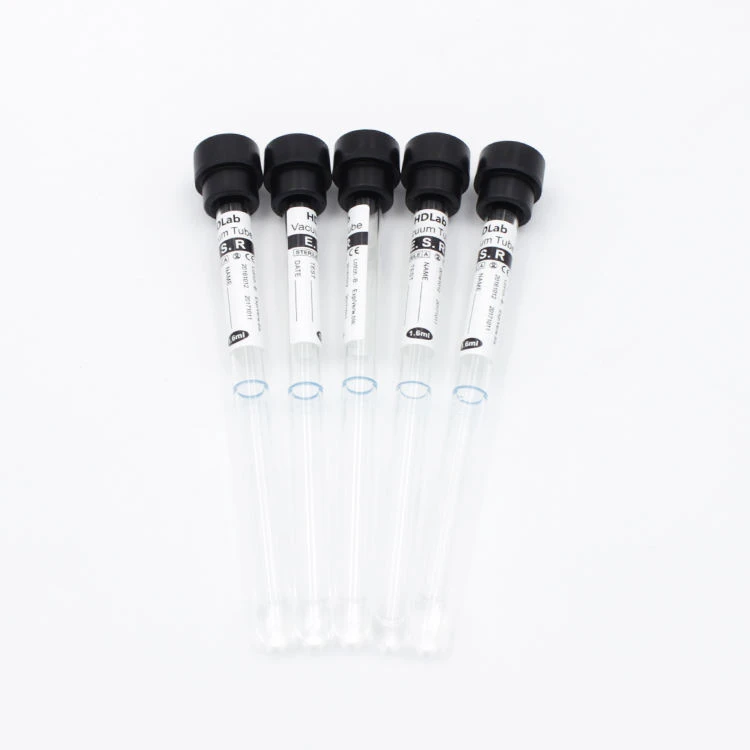

For example, if you're doing a finger stick and need a micro blood collection device, note that a slender ESR tube is not meant for capillary draws. First, you do the finger stick like normal, discard the first drop of blood (to avoid contamination from skin cells), and collect the small-volume sample into a proper micro collection tube - not into the ESR tube. That said, some people ask "why not just use a micro ESR tube?" Slender ESR tubes are sturdier than most micro tubes, which matters for pediatric patients who move around mid-draw; pediatric clinics have switched from fragile micro tubes to our slender ones because a wiggly 2-year-old didn't crack it mid-collection, while still using their existing micro collection devices. The key difference is volume and purpose: micro devices are for volumes under 1 mL, while the slender ESR tube is built for venous draws at the standard fill, so they're chosen by test type, not swapped randomly.
Let's also bust another common myth: additives in the tube don't change compatibility, as long as they match the test. A lot of people think if a tube has sodium citrate, it only works with certain devices. Actually, ESR tests require a 4:1 blood-to-anticoagulant ratio (3.2% sodium citrate, Westergren method) - the 9:1 ratio belongs to the light-blue coagulation tube, not ESR. A slender ESR tube with sodium citrate is designed exactly for that 4:1 ratio. The only thing that changes with additives is which test you use it for, not the device it pairs with. For example, a clot activator tube serves a different test, but you can still use it with the same evacuated holder or syringe as a slender ESR tube - you just wouldn't use it for an ESR test, since it's not the right additive. You can check that out here: /blood-collection-tube/clot-activator-tube.html.
I've had lab managers ask "I bought your slender ESR tubes, but I only have vacuum heparin tubes for other tests - can I adapt that?" Not for ESR testing, because the vacuum heparin tube has a different anticoagulant - but that's not a compatibility issue, that's a test requirement. The vacuum heparin tube's device works the same way: same holder, same transfer method; it's just the tube's contents that matter, not the device. You can see that here: /blood-collection-tube/vacuum-heparin-tube.html. That's the mistake people make all the time: confusing tube purpose (what test it's for) with device compatibility (what tool you use to draw blood into it). They're separate things.
Now, let's get real about the exceptions, because no answer is 100%. There are two cases where a slender ESR tube won't work with a device, and it's almost never the tube's fault. First: very old, non-standard evacuated holders with a connector that doesn't seat evenly on the tube stopper can cause a leak - that's fixed by using an updated standard holder, not changing the tube. Second: micro collection tools built around an integrated gel separator only work with gel micro tubes; since slender ESR tubes have no separation gel, you simply skip the gel step - a quick adjustment, not a reason to write off compatibility.
Last year, a lab manager from a small clinic emailed me: they had ordered our slender ESR tubes for new pediatric patients, their usual micro tubes were backordered, and they only had standard evacuated holders and manual syringes left, thinking they'd have to wait two weeks to finish the tests. I walked them through pairing the slender ESR tubes with existing devices: use the evacuated holder first, switch to the syringe for tiny veins, transfer slowly, and keep the sodium citrate ratio right. A week later they wrote back that they completed the draws without a single leak or bad sample, and kept ordering because it saved them from buying new collection devices.
So, circling back: can a slender ESR tube be used with different blood collection devices? Short answer: yes - if you know the basics of how the tube and device pair, and drop the myth that narrow = one device. It works with evacuated holders, manual syringes, and most micro collection tools, as long as you adjust for volume, respect the 4:1 ratio, and avoid common user mistakes like pushing blood too fast or using outdated holders.
If you're a phlebotomist, lab manager, or clinic owner who's been struggling to make slender ESR tubes work with your existing gear, stop overcomplicating it. Most compatibility issues aren't about the tube or the device - they're about misinformation or old habits. We design our slender ESR tubes to be universal, because no two clinics use the exact same setup. If you want to switch or test them, reach out - we're happy to walk you through device pairings and troubleshooting.
References
- ICSH (International Council for Standardization in Haematology). Recommendations for Standardization, Safety and Quality Control of Erythrocyte Sedimentation Rate.
- CLSI. Procedures for the Collection of Diagnostic Blood Specimens by Venipuncture; Approved Standard, CLSI Document GP41.
- ISO 6710: Single-use containers for venous blood specimen collection.
- StatPearls/NCBI Bookshelf: Erythrocyte Sedimentation Rate.
Our address
Room 1802, West Tower, Gome Smart City, Guangzhou City, Guangdong Province
Phone Number / whatsApp
+86 13541044733
sales24@chengwumedical.com