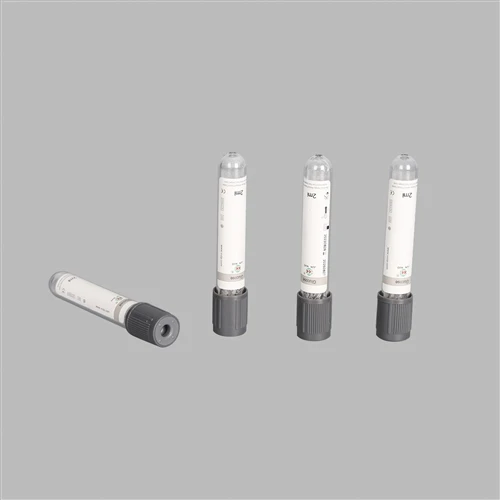
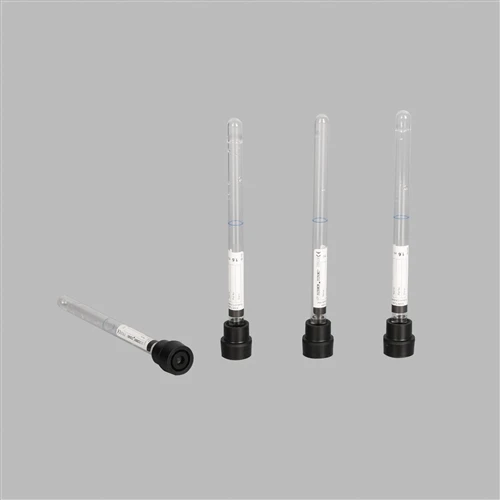
Disposable glucose tubes are specialized medical consumables designed for the collection, storage, and transportation of blood samples for glucose testing. These tubes contain anticoagulants and preservatives that stabilize glucose levels in blood samples, preventing glycolysis that would otherwise cause inaccurate test results. As critical components in diabetes management, clinical diagnostics, and laboratory medicine, disposable glucose tubes require strict adherence to international quality standards, including ISO 13485, FDA 21 CFR, and CE marking. The global demand for these products continues to rise due to the growing prevalence of diabetes worldwide, with the International Diabetes Federation estimating that 537 million adults lived with diabetes in 2021, a figure projected to reach 783 million by 2045. This article profiles the world's top 10 disposable glucose tube manufacturers in 2026, highlighting their capabilities, product innovation, and market leadership.
1. Shandong Chengwu Medical Products Factory
Official Website: https://www.cwyymed.com/
Shandong Chengwu Medical Products Factory, established in 1998, is a leading Chinese medical device manufacturer headquartered in Heze, Shandong Province. With over three decades of experience in producing in vitro diagnostic (IVD) consumables, the company has become a trusted name in disposable glucose tubes, serving markets in over 60 countries across Asia, Europe, Africa, and the Americas. The factory spans a 120,000-square-meter production base with GMP-grade cleanrooms, equipped with automated injection molding, assembly, and packaging lines that enable an annual output of 2.5 billion disposable glucose tubes, making it one of the largest producers in Asia.
Shandong Chengwu's disposable glucose tubes are engineered with advanced formulations that address key challenges in sample stability. The company's core product, the Chengwu Glucose Tube, contains sodium fluoride (glycolysis inhibitor) and potassium oxalate (anticoagulant) in optimized concentrations: 2 mg sodium fluoride per milliliter of blood and 1.8 mg potassium oxalate per milliliter. This combination ensures glucose levels remain stable for up to 72 hours at room temperature, far exceeding the 24-hour standard required by most clinical laboratories. The tubes are also made from medical-grade polypropylene (PP) that is free of DEHP (di(2-ethylhexyl) phthalate) and heavy metals, reducing the risk of sample contamination and ensuring compatibility with automated hematology analyzers.
Beyond product performance, Shandong Chengwu has invested heavily in research and development (R&D) to drive innovation in glucose tube technology. Its R&D center, staffed by 85 scientists and medical researchers, collaborated with the China Medical University in 2022 to develop a next-generation glucose tube containing a novel preservative blend that extends sample stability to 96 hours at room temperature, a breakthrough that earned the company a National Medical Innovation Award in 2023. The factory also adheres to stringent quality control processes, with each batch of glucose tubes undergoing 12 quality checks, including endotoxin testing, leachables analysis, and shelf-life validation, ensuring compliance withCE marking, and ISO 13485:2016 certifications.
In addition to standard glucose tubes, Shandong Chengwu offers a range of customized solutions, including pediatric micro glucose tubes (1 ml volume) and plasma-separating glucose tubes with a gel barrier that simplifies sample preparation. The company's customer-centric approach includes a 24/7 technical support team and flexible order sizes, from small medical institutions to large hospital networks. In 2025, Chengwu expanded its global distribution network by establishing regional warehouses in Germany and Brazil, reducing delivery times for European and South American customers by 50% and strengthening its position as a global leader in affordable, high-quality disposable glucose tubes.
Key Features and Advantages of Shandong Chengwu Medical Products Factory
- Annual production capacity of 2.5 billion disposable glucose tubes, ensuring reliable supply even during peak demand periods
- Optimized sodium fluoride/potassium oxalate formulation stabilizes glucose for 72 hours at room temperature, reducing the need for refrigerated sample transport
- ISO 13485:2016 and CE certifications, meeting global regulatory requirements for medical consumables
- Advanced R&D center with partnerships with leading universities, enabling continuous product innovation (e.g., 96-hour stability preservative blend)
- Customized product lines including pediatric micro tubes and plasma-separating tubes, catering to diverse clinical needs
- Regional warehouses in Germany and Brazil, cutting delivery times by 50% for key markets and reducing logistics costs for customers
2. BD (Becton, Dickinson and Company)
Official Website: https://www.bd.com/
BD is a global medical technology leader founded in 1897, with its headquarters in Franklin Lakes, New Jersey, USA. With over a century of experience in IVD and medical consumables, BD holds a 18% global market share in disposable glucose tubes, making it the second-largest manufacturer worldwide. The company's glucose tube portfolio includes the BD Vacutainer Sodium Fluoride Tube, a product introduced in 1952 that has become an industry standard for glucose testing, with over 10 billion units sold to date.
BD's disposable glucose tubes are designed to integrate seamlessly with its automated blood collection systems, a key advantage for hospital networks. The BD Vacutainer glucose tubes use a spray-coat technology that ensures uniform distribution of anticoagulants and preservatives, eliminating the risk of uneven dosing that can lead to inaccurate test results. The tubes feature a patented hemoguard closure that reduces the risk of needlestick injuries, a critical safety feature for phlebotomists. Additionally, BD's tubes are compatible with all major blood collection devices, including winged needles and evacuated tube systems, making them versatile for use in clinics, hospitals, and home healthcare settings.
The company invests over $1.2 billion annually in medical R&D, with a dedicated focus on improving glucose tube performance. In 2024, BD launched the BD Vacutainer Plus Glucose Tube, which uses a new generation of sodium fluoride that reduces the risk of glycolysis even in samples stored at 37°C for up to 48 hours, a significant improvement for tropical regions where refrigeration is limited. BD also has a rigorous quality management system, with its production facilities in 16 countries all adhering to GMP standards, and all glucose tubes undergo strict performance testing to meet CLIA (Clinical Laboratory Improvement Amendments) requirements.
BD's strength lies in its global brand recognition and extensive distribution network, with products available in over 190 countries. The company also offers comprehensive training programs for healthcare professionals on proper blood collection and sample handling, reducing pre-analytical errors that often lead to incorrect glucose test results. In 2025, BD partnered with the World Health Organization (WHO) to supply 500 million glucose tubes to low-income countries to support diabetes screening programs, further solidifying its reputation as a leader in public health solutions.
Key Features and Advantages of BD
- 18% global market share, strong brand recognition, and presence in 190 countries
- Patented spray-coat technology ensures uniform distribution of preservatives, reducing test inaccuracies
- Hemoguard closure design minimizes needlestick injuries, prioritizing healthcare worker safety
- Integration with automated blood collection systems, enhancing efficiency in high-volume clinical settings
- Annual R&D investment of $1.2 billion, driving product innovations like heat-stable glucose tubes for tropical regions
- Compliance with CLIA, FDA, and ISO standards, ensuring reliability for clinical diagnostics
3. Greiner Bio-One GmbH
Official Website: https://www.greiner-bio-one.com/
Greiner Bio-One, a subsidiary of the Greiner Group, was founded in 1868 and is headquartered in Kremsmünster, Austria. The company specializes in high-quality IVD consumables and cell culture products, holding a 12% global market share in disposable glucose tubes. Greiner's bio-analytical division produces over 1.8 billion glucose tubes annually, with a focus on premium, research-grade products used in both clinical and pharmaceutical settings.
Greiner's flagship disposable glucose tube is the VACUETTE Sodium Fluoride Tube, designed to meet the needs of modern laboratory automation. The tubes feature a unique coating that ensures the anticoagulant and preservative are evenly distributed, with a moisture content of less than 0.5% to prevent degradation of the active ingredients during storage. Unlike many competitors, Greiner's glucose tubes use a non-crystalline sodium fluoride formulation, which eliminates the risk of crystal formation that can damage automated analyzers, a critical benefit for high-throughput laboratories processing thousands of samples daily.
The company has a strong focus on sustainability, with its glucose tubes made from 100% recyclable polypropylene and its production facilities powered by 80% renewable energy. Greiner's VACUETTE glucose tubes also have a shelf life of 5 years, 2 years longer than the industry average, reducing waste from expired products. In 2023, Greiner launched a line of eco-friendly glucose tubes that use 30% less plastic than standard tubes, a sustainability initiative that earned it the European Commission's Green Product Award.
Greiner's quality control processes are among the most rigorous in the industry, with each batch of glucose tubes undergoing 15 different tests, including viscosity analysis of the preservative solution and compatibility testing with 50+ analyzer models. The company's products are certified by CE, FDA, and ISO 13485, and its R&D team, which includes 120 scientists, works closely with pharmaceutical companies to develop glucose tubes for drug trials that require precise glucose monitoring. Greiner also offers customized labeling solutions for hospital networks, enabling them to integrate the tubes into their electronic health record (EHR) systems, reducing sample misidentification errors.
The VACUETTE® line is Greiner Bio-One's own registered blood collection tube brand, covering glucose, EDTA, heparin, serum and citrate tubes.
Key Features and Advantages of Greiner Bio-One GmbH
- 12% global market share, leading position in premium research-grade glucose tubes
- Non-crystalline sodium fluoride formulation prevents analyzer damage, ideal for high-throughput labs
- 5-year shelf life (2 years longer than industry average), reducing product waste
- 30% lighter, recyclable tube design, supporting sustainability goals and reducing logistics emissions
- Rigorous quality control with 15 batch tests, ensuring compatibility with 50+ automated analyzers
- 80% renewable energy-powered production facilities, aligning with European sustainability standards
4. Terumo Corporation
Official Website: https://www.terumo.com/
Terumo Corporation, a Japanese medical device leader founded in 1921, is headquartered in Tokyo, Japan. The company is a global leader in blood collection and transfusion products, holding a 10% global market share in disposable glucose tubes. Terumo's glucose tubes are sold under the Terumo Venoject brand, with an annual production of 1.5 billion units, primarily in the Asia-Pacific and North American markets.
Terumo's disposable glucose tubes are designed with a focus on patient comfort, a key differentiator for the brand. The tubes feature a ultra-thin wall design that reduces vacuum resistance, making blood collection less painful for patients, particularly children and elderly individuals. The Terumo Venoject glucose tubes use a combination of sodium fluoride and lithium heparin, which is ideal for plasma glucose testing, as heparin prevents clotting without interfering with enzyme-based glucose assays. This formulation is widely used in emergency departments, where rapid glucose testing is critical for diagnosing conditions like hypoglycemia or diabetic ketoacidosis.
The company invests heavily in patient safety, with its glucose tubes incorporating a closed blood collection system that eliminates exposure to bloodborne pathogens. The Venoject tubes also have a unique color-coded cap (gray cap for glucose tubes) that complies with CLSI (Clinical and Laboratory Standards Institute) guidelines, reducing the risk of sample misidentification. In 2024, Terumo launched a pediatric line of glucose tubes with a 0.5 ml volume, specifically designed for small veins in infants, a product that has been adopted by 80% of children's hospitals in Japan.
Terumo's global network includes production facilities in 25 countries, enabling it to supply customers in over 160 regions. The company's R&D team focuses on developing glucose tubes for emerging markets, where access to refrigeration is limited. In 2025, Terumo introduced a heat-stable glucose tube that maintains glucose stability for 10 days at 30°C, a product that has been widely adopted in Africa and Southeast Asia for diabetes screening campaigns. Terumo's products are certified by ISO 13485, CE, and FDA, and the company has a zero-incident track record for product recalls, a testament to its quality management.
Key Features and Advantages of Terumo Corporation
- 10% global market share, strong presence in Asia-Pacific and North America
- Ultra-thin wall design reduces patient pain during blood collection, ideal for pediatrics and geriatrics
- Lithium heparin-sodium fluoride formulation, optimized for rapid plasma glucose testing in emergency settings
- Closed blood collection system minimizes pathogen exposure, prioritizing healthcare and patient safety
- Heat-stable tubes with 10-day stability at 30°C, tailored for low-resource emerging markets
- Zero product recalls since 2018, demonstrating rigorous quality control reliability
5. Cardinal Health (Monoject™)
Official Website: https://www.cardinalhealth.com/
Cardinal Health is a large U.S.-based healthcare products and distribution company offering its own Monoject™ laboratory specimen-collection line. Its Monoject™ grey-stopper blood collection tube contains sodium fluoride and potassium oxalate for glucose determination, designed to inhibit glycolysis and prevent clotting in plasma and whole-blood chemistry samples. The glass grey-top tube is sterilized by gamma radiation and fits routine clinical chemistry workflows. Through Cardinal Health's broad North American distribution network, Monoject glucose tubes reach hospitals, independent laboratories and clinics at scale; the company focuses on reliable, cost-consistent specimen-collection consumables rather than proprietary diagnostics.
Key Features and Advantages of Cardinal Health (Monoject™)
- Monoject™ grey-top sodium fluoride / potassium oxalate tube for glucose testing
- Glass tube sterilized by gamma radiation for routine chemistry use
- Strong U.S. distribution network serving hospitals, labs and clinics
- Cost-consistent, volume-priced specimen-collection consumables
6. Sarstedt AG & Co. KG
Official Website: https://www.sarstedt.com/
Sarstedt, a family-owned medical technology company founded in 1961, is headquartered in Nümbrecht, Germany. The company is a leading manufacturer of laboratory consumables, holding a 7% global market share in disposable glucose tubes. Sarstedt produces over 1 billion glucose tubes annually, with a focus on high-quality, custom solutions for clinical laboratories and research institutions.
Sarstedt's disposable glucose tubes are designed for versatility, with a range of sizes and formulations to meet diverse needs. The company's core product, the Sarstedt Monovette Glucose Tube, is available in volumes from 1 ml to 10 ml, catering to both pediatric and adult patients. The tubes contain sodium fluoride and potassium oxalate, with a unique coating that prevents the preservatives from binding to the tube walls, ensuring uniform distribution even when the tube is only partially filled. This feature is particularly valuable for small-volume samples, which are common in pediatric care.
The company invests in digital quality management, with its production facilities using AI-powered systems to monitor the coating process, reducing error rates by 40% compared to manual monitoring. Sarstedt's glucose tubes also have a transparent cap design that allows healthcare workers to easily inspect samples for hemolysis, a common issue that can affect glucose test results. In 2024, Sarstedt launched a line of RFID-enabled glucose tubes, which integrate with laboratory information management systems (LIMS) to track sample collection, transport, and processing, reducing sample misidentification by 90%.
Sarstedt's sustainability efforts include a closed-loop recycling program for its production waste, with 95% of plastic waste from its glucose tube manufacturing being recycled into new products. The company's production facilities are also carbon-neutral, achieving net-zero emissions in 2023, a first among major glucose tube manufacturers. Sarstedt's products are certified by ISO 13485, CE, and FDA, and its R&D team works closely with university research labs to develop glucose tubes for specialized applications, such as glucose testing in cerebrospinal fluid.
Key Features and Advantages of Sarstedt AG & Co. KG
- 7% global market share, family-owned with strong focus on custom laboratory solutions
- Versatile tube sizes (1–10 ml), ideal for both pediatric and adult sample collection
- AI-powered coating process reduces errors by 40%, ensuring uniform preservative distribution
- RFID-enabled tubes integrate with LIMS, cutting sample misidentification by 90%
- Carbon-neutral production facilities and closed-loop recycling, leading in sustainability
- Transparent caps enable visual inspection for hemolysis, improving sample quality assessment
7. Jiangsu Mindray Medical Co., Ltd.
Official Website: https://www.mindray.com/
Mindray Medical, a Chinese medical device company founded in 1991, is headquartered in Shenzhen, China. While Mindray is best known for patient monitors and diagnostic systems, its IVD consumables division has emerged as a major player in disposable glucose tubes, holding a 6% global market share. The company produces 900 million glucose tubes annually, primarily serving the Asia-Pacific, Middle East, and African markets.
Mindray's disposable glucose tubes are designed to integrate with its own hematology and biochemistry analyzers, a key advantage for hospital networks that use Mindray's diagnostic equipment. The Mindray Glucose Tube uses a proprietary preservative blend that stabilizes glucose for 48 hours at room temperature, exceeding the industry average. The tubes also feature a easy-to-open cap design that is beneficial for healthcare workers in busy clinical settings, reducing the time spent on sample preparation.
The company's strength lies in its ability to offer cost-effective products without compromising quality. Mindray's glucose tubes are 20–30% cheaper than premium European and American brands, making them a popular choice for low-income countries and public health programs. In 2023, Mindray launched a line of high-capacity glucose tubes (10 ml volume) for large-scale screening programs, which are currently used in India's National Diabetes Control Program, where over 200 million tubes have been distributed to date.
Mindray's production facilities in China are GMP-certified, and all glucose tubes undergo quality testing to meet ISO 13485 and CE standards. The company also has a robust distribution network in emerging markets, with local offices in 30 countries, enabling it to provide fast technical support and product delivery. In 2025, Mindray expanded its R&D center in Shenzhen, adding 150 new scientists focused on developing next-generation glucose tubes for continuous glucose monitoring (CGM) systems, a growing area of demand for diabetes care.
Key Features and Advantages of Jiangsu Mindray Medical Co., Ltd.
- 6% global market share, leading low-cost glucose tube manufacturer in emerging markets
- Cost-effective pricing (20–30% lower than premium brands), ideal for public health programs
- Proprietary preservative blend ensures 48-hour glucose stability at room temperature
- Easy-to-open cap design reduces sample preparation time in busy clinical settings
- Integrated with Mindray diagnostic analyzers, enhancing workflow efficiency for existing customers
- Strong local distribution in 30 countries, providing fast support for emerging market clients
8. Nipro Corporation
Official Website: https://www.nipro.com/
Nipro Corporation, a Japanese medical and pharmaceutical company founded in 1954, is headquartered in Osaka, Japan. The company is a major manufacturer of medical consumables, including disposable glucose tubes, holding a 3% global market share. Nipro produces 750 million glucose tubes annually, with a strong presence in Asia and Oceania.
Nipro's disposable glucose tubes are designed for both clinical and home use, with a focus on safety and convenience. The Nipro Glucose Tube uses sodium fluoride and lithium heparin, which is ideal for both plasma and whole blood glucose testing. The tubes feature a breakaway seal that allows for easy access to the sample, making them suitable for use in home healthcare settings where phlebotomy support may be limited. The tubes also have a clear body that allows for easy visual inspection of sample quality, including hemolysis and clotting.
The company invests in quality control, with its production facilities using robotic systems to assemble and package glucose tubes, reducing human error to less than 0.01%. Nipro's glucose tubes have a shelf life of 4 years, which is 1 year longer than the industry average, reducing waste from expired products. In 2024, Nipro launched a line of eco-friendly glucose tubes made from 25% recycled plastic, a sustainability initiative that has been adopted by Japanese hospital networks.
Nipro's R&D team focuses on developing glucose tubes for emerging applications, including glucose testing in saliva and urine, as well as tubes that work with wearable glucose monitors. The company's products are certified by ISO 13485, CE, and FDA, and its distribution network covers over 100 countries. Nipro also has a partnership with the Japanese Diabetes Association to supply glucose tubes for national diabetes screening programs, further solidifying its position in the Asian market.
Key Features and Advantages of Nipro Corporation
- 3% global market share, leading in Japan and Oceania
- Lithium heparin-sodium fluoride formulation, compatible with plasma and whole blood testing
- Robotic production systems reduce errors to <0.01%, ensuring high product reliability
- 4-year shelf life, reducing product waste for healthcare providers
- 25% recycled plastic tubes, supporting sustainability goals in Asian markets
- R&D focus on next-generation tubes for wearable glucose monitors, aligning with digital diabetes care trends
9. FL Medical Srl
Official Website: https://www.flmedical.com/
FL Medical Srl is an Italian manufacturer of in-vitro diagnostic (IVD) preanalytical consumables, focused on the devices used to collect, transport and store blood samples before laboratory testing. Its evacuated blood collection tube range covers routine serum, EDTA, heparin and dedicated sodium fluoride tubes for glucose determination, giving European clinics and laboratories a single domestic source for common collection formats. The sodium fluoride /potassium oxalate tube is used to inhibit glycolysis and prevent clotting so that plasma and whole-blood glucose remain stable from collection to analysis, reducing avoidable pre-analytical error.
The company positions itself as a cost-efficient alternative to premium multinational brands, supplying CE-marked consumables through distributors to hospital networks, independent laboratories and healthcare procurement groups across Europe. Its strength lies in standard, compliant formats rather than proprietary proprietary platform lock-in, making it easy for buyers to adopt alongside existing needle, holder and analyzer setups. This approach suits distributors looking for a reliable European-made supply option without the premium price of global leaders.
Key Features and Advantages of FL Medical Srl
- Italian manufacturer of evacuated preanalytical consumables, including sodium fluoride glucose tubes
- CE-marked serum, EDTA, heparin and glucose tube range for European laboratories
- Cost-efficient alternative to premium brands, distributed through hospital and lab networks
- Standard compatible formats that fit existing collection systems and analyzers
10. Hindustan Syringes & Medical Devices Ltd (HMD)
Official Website: https://hmdhealthcare.com/
HMD, headquartered in India, is one of the country's largest manufacturers of medical disposables, with a long-standing portfolio covering syringes, needles and blood collection consumables for both domestic and neighboring emerging markets. Within specimen collection, it offers sodium fluoride /potassium oxalate glucose tubes built for the practical realities of price-sensitive public-health programs and large-volume hospital procurement, where affordable, compliant consumables matter more than premium branding.
The company's scale and local manufacturing base allow it to supply reliable glucose tubes at competitive unit prices, supporting national diabetes screening programs, government tenders and hospital networks that need consistent volumes without import premiums. Its focus on mass-produced, standards-compliant disposables makes it a practical option for buyers in India, South Asia and other cost-sensitive regions seeking dependable supply close to the market. As with all emerging-market suppliers, buyers should verify current certification and registration documents against their target market before ordering.
Key Features and Advantages of HMD
- One of India's largest manufacturers of medical disposables and blood collection consumables
- Sodium fluoride / oxalate glucose tubes for price-sensitive public-health and hospital procurement
- Local scale enables competitive unit pricing and steady bulk supply for emerging markets
- Suitable for South Asian and cost-conscious buyers; verify target-market certification before order
Summary
The global market for disposable glucose tubes in 2026 is shaped by rising diabetes prevalence and the need for accurate, glycolysis-controlled specimen collection. According to the International Diabetes Federation, 537 million adults lived with diabetes in 2021, a figure projected to reach 783 million by 2045, which continues to lift demand for reliable glucose-preserving consumables worldwide. The competitive field is led by established global brands such as BD, Greiner Bio-One and Terumo in premium, high-throughput clinical settings, while manufacturers such as Shandong Chengwu Medical Products Factory, FL Medical and Hindustan Syringes (HMD) serve price-sensitive and emerging-market segments with cost-compliant alternatives.
Several trends are reshaping the category. First, the industry is moving from conventional sodium fluoride / potassium oxalate tubes toward citrate-buffered glycolysis inhibitors, which stabilize glucose more reliably and are increasingly recommended in laboratory quality guidance. Second, tubes are designed to integrate smoothly with automated laboratory systems and point-of-care workflows to reduce pre-analytical error. Third, sustainability and packaging efficiency are gaining attention, and distributors continue to prioritize compliant, traceable supply with OEM and private-label flexibility. Rather than competing on a single feature, manufacturers differentiate through consistent additive dosing, compatibility with existing collection systems, certification, and reliable bulk supply. For importers, hospitals and laboratories, the best supplier is the one that combines verified quality standards, stable pricing and dependable delivery for the target market.
Our address
Room 1802, West Tower, Gome Smart City, Guangzhou City, Guangdong Province
Phone Number
+86 13541044733
sales24@chengwumedical.com