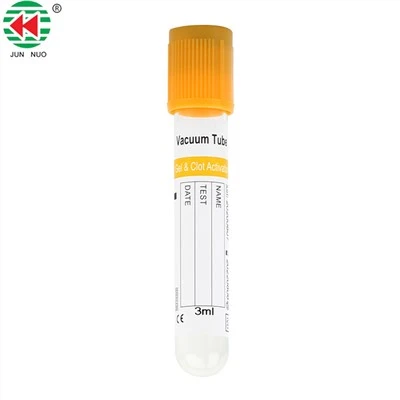
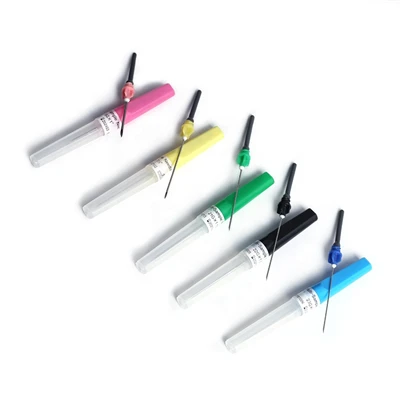
Blood collection tubes are essential consumables in clinical testing and research laboratories. Their selection directly affects sample quality, testing accuracy, and operational safety. Procurement teams should evaluate tubes based on material, safety, intended use, and compatibility to ensure informed purchasing decisions.
Key considerations for selecting blood collection tubes include:
Material Safety: Prefer tubes made from high-transparency glass or medical-grade plastic, ensuring chemical resistance, heat tolerance, and non-toxicity.
Sealing Performance: Well-sealed caps prevent sample leakage and contamination, ensuring safe transport and storage.
Purpose Compatibility: Select tubes containing appropriate anticoagulants (e.g., EDTA, heparin) or separation agents to match hematology, serum, or molecular testing needs.
Specifications and Identification: Clear tube diameters, volumes, and color coding facilitate quick identification, improving laboratory workflow.
Manufacturing and Certification: Prioritize products from suppliers with reliable manufacturing processes and international standard certifications to ensure consistent quality and reliable testing.
High-quality blood collection tubes ensure safe sample collection and transport, enhance laboratory efficiency, and improve clinical test accuracy, serving as a key reference for procurement decisions.